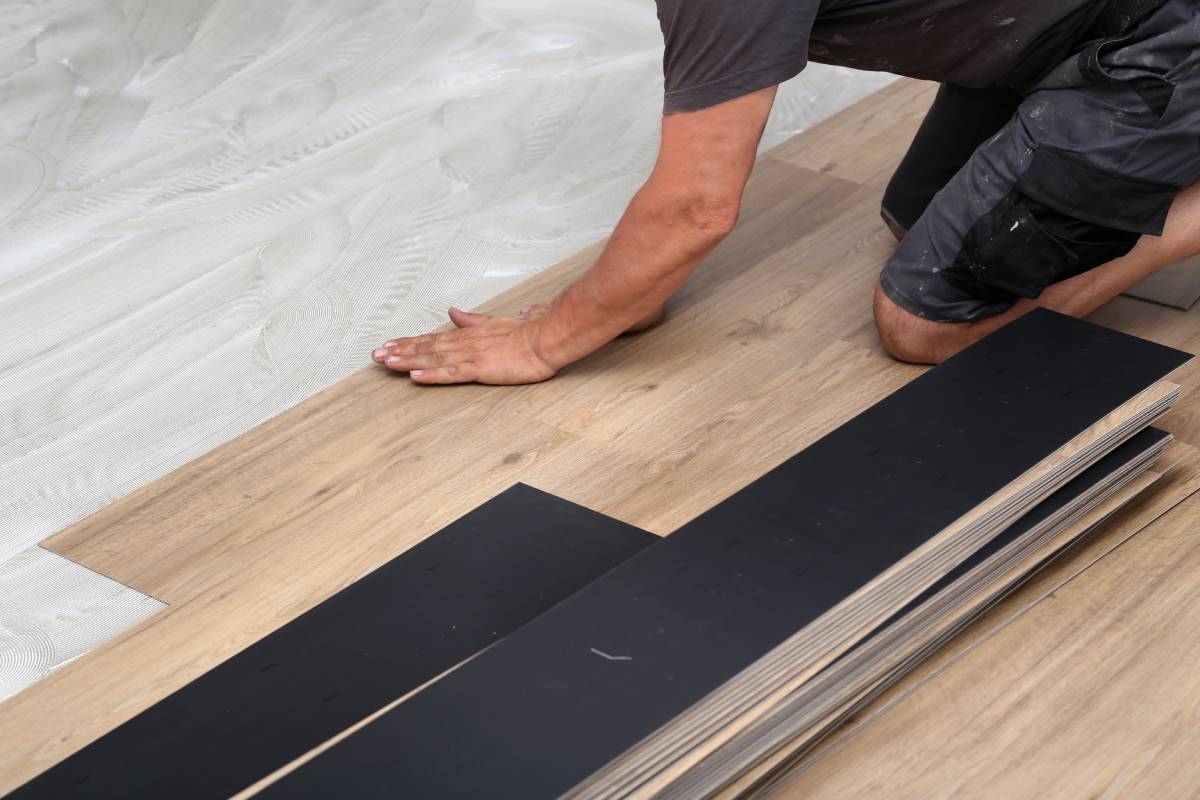
Are you tired of watching your flooring warp and buckle during Cary's humid summers? If you live in Cary, North Carolina, you know how challenging our climate can be on flooring. The area experiences high humidity levels, especially from May through September, making it crucial to choose flooring materials that can withstand moisture without compromising beauty or durability.
Choosing the right flooring for your Cary home means finding materials that handle both humid summer months and seasonal temperature fluctuations. The right flooring not only protects your investment but also keeps your home comfortable, healthy, and beautiful year-round.
Key Takeaways
Humidity is your flooring's biggest enemy – Cary's 70-80% summer humidity levels can cause warping, buckling, and mold growth in unsuitable flooring materials
Best moisture-resistant options – Luxury Vinyl Plank (LVP), porcelain tile, and engineered hardwood are top choices for Cary's climate
Avoid solid hardwood – Traditional solid hardwood expands and contracts significantly with seasonal humidity changes, leading to costly damage
Professional installation matters – Proper subfloor preparation, moisture barriers, and acclimation are essential for long-lasting floors
Maintenance is crucial – Keeping indoor humidity at 30-50% year-round and using proper cleaning techniques extends your flooring's lifespan
What Makes Flooring Difficult in Cary's Humid Climate?
North Carolina's climate presents unique challenges for Cary homeowners. With average summer humidity levels reaching 70-80%, choosing the wrong flooring can lead to costly repairs and replacements. Understanding how humidity affects your floors is essential for making the right choice.
Different flooring materials respond uniquely to Cary's humid conditions. Solid hardwood, while beautiful, can expand and contract significantly with seasonal humidity changes. This movement causes warping, cupping, or gaps between planks—a common problem many Cary homeowners face.
Laminate flooring, though budget-friendly, can swell or delaminate when exposed to moisture without proper protection. Flooring experts throughout Cary recommend moisture-resistant options like engineered hardwood, luxury vinyl plank (LVP), and porcelain tile for local homes.
What Problems Does Humidity Cause for Flooring?
In humid Cary, improperly chosen flooring can develop several issues:
Warping and buckling – Particularly common in solid hardwood during summer months
Mold and mildew growth – Becomes a serious concern in older homes with poor ventilation
Discoloration and odors – Often appear, especially in basements and first-floor rooms
Accelerated wear – Humidity can break down adhesives and finishes faster
Selecting flooring that resists moisture damage is critical for long-lasting, beautiful floors in your Cary home.
What Are the Best Flooring Options for Cary's Humid Climate?
Let's explore the flooring materials that perform best in North Carolina's climate, from traditional options to modern innovations.
Is Porcelain or Ceramic Tile Good for Humid Climates?
Porcelain and ceramic tiles are excellent choices for humid Cary homes. These materials are fired at high temperatures, creating a dense, water-resistant surface that's perfect for bathrooms, kitchens, and entryways.
Benefits for Cary homeowners include:
Complete waterproof and humidity resistance
Wide variety of styles including wood-look options
Easy cleaning and maintenance
Excellent performance for homes with pets or high foot traffic
Stays cool during North Carolina's hot summers
These qualities make tile one of the most reliable flooring choices for Cary's climate.
Is Luxury Vinyl Plank (LVP) Flooring Right for Humid Areas?
Luxury Vinyl Plank flooring has become increasingly popular with Cary homeowners—and for good reason. This modern flooring option offers the authentic look of hardwood or stone while providing superior moisture resistance.
LVP works exceptionally well in Cary because of:
100% waterproof core construction
Realistic wood and stone appearances
Softer underfoot than tile
Can be installed over most existing floors
Perfect for basements, kitchens, and bathrooms
Lower maintenance than traditional hardwood
Many Cary homeowners choose LVP for its combination of beauty, durability, and moisture resistance—ideal for North Carolina's climate. It's become the go-to choice for families who want the look of wood without the humidity concerns.
Can I Install Hardwood Floors in Cary's Humid Climate?
Yes, but engineered hardwood is the smart alternative for Cary residents who love the warmth of real wood but need better humidity resistance. Unlike solid hardwood, engineered wood features a layered construction with a real wood veneer on top, making it more dimensionally stable.
Advantages for Cary homes include:
Real wood beauty with better moisture stability
Less expansion and contraction than solid hardwood
Multiple wood species and finish options available
Can be refinished depending on veneer thickness
Better suitability for North Carolina's humidity fluctuations
Engineered hardwood bridges the gap between traditional hardwood elegance and modern moisture resistance, making it a favorite among discerning Cary homeowners who refuse to compromise on aesthetics.
Does Natural Stone Flooring Work in Humid Climates?
Natural stone flooring, including granite, marble, and slate, brings timeless elegance to Cary homes. When properly sealed, natural stone offers excellent moisture resistance and durability.
Stone flooring benefits include:
Stays naturally cool during hot North Carolina summers
Unique one-of-a-kind appearance
Extremely durable and long-lasting
Performs well in humid conditions when properly sealed
While natural stone requires a higher initial investment and professional installation, its beauty and longevity make it worthwhile for luxury homes throughout Cary.
What Are Alternative Humidity-Resistant Flooring Options?
Beyond traditional choices, several alternative flooring materials perform exceptionally well in Cary's humid environment.
Is Concrete Flooring Suitable for Homes?
Polished concrete is gaining popularity in modern Cary homes and commercial spaces. This industrial-chic option offers unmatched moisture resistance and can be customized with stains, dyes, or decorative patterns.
As flooring experts note, "Concrete is a highly durable material that can withstand heavy foot traffic and is resistant to moisture damage." With proper sealing, concrete floors can last decades in Cary homes, making them both practical and stylish for contemporary designs.
What About Cork Flooring in Humid Areas?
Cork flooring offers an eco-friendly, comfortable option for environmentally conscious Cary homeowners. Made from renewable cork oak bark, this material naturally resists moisture, mold, and mildew.
Cork benefits include:
Natural antimicrobial properties
Soft and warm underfoot
Excellent sound absorption
Sustainability and renewability
Comfort for standing – making it great for kitchens
For families concerned about environmental impact, cork provides an attractive and functional solution.
Can Laminate Flooring Handle Humidity?
Modern laminate flooring has evolved significantly. High-quality laminate with enhanced moisture protection features water-resistant cores and sealed edges, making it suitable for moderately humid areas in Cary homes.
Look for products with:
AC ratings of 3 or higher
Enhanced moisture warranties
Moisture barrier underlayment for additional protection
While not as waterproof as LVP, quality laminate can perform well in bedrooms and living areas.
Is Bamboo Flooring Moisture-Resistant?
Bamboo flooring combines sustainability with surprising durability. Strand-woven bamboo, in particular, offers excellent moisture resistance—making it harder than many traditional hardwoods while being less susceptible to humidity-related warping.
Cary homeowners choose bamboo because:
Fast-growing renewable resource
Harder and more stable than oak
Unique grain patterns with contemporary appeal
Better humidity resistance than solid hardwood
Multiple finish options
How Does Cary's Climate Affect Flooring Choices?
Cary experiences significant seasonal humidity changes that impact flooring choices:
Summer months (May-September) – Humidity regularly reaches 70-80%, causing wood floors to expand. Proper acclimation and installation techniques are essential during this period.
Winter months (December-February) – Lower humidity can cause hardwood contraction, potentially creating gaps. Whole-home humidification helps maintain stability.
Spring and fall – Transitional periods with moderate humidity—ideal times for flooring installation in Cary.
Engineered hardwood, LVP, and tile handle these fluctuations better than solid hardwood, making them preferred choices for Cary homes.
Different home types present unique challenges too:
Historic homes in downtown Cary – Often lack modern climate control and require highly stable flooring like engineered hardwood or LVP
Newer construction in West Cary – Better climate control but still benefits from moisture-resistant choices
Homes with basements – Need waterproof flooring, making LVP and porcelain tile ideal for below-grade spaces
What Installation Factors Matter in Humid Climates?
Proper installation and ongoing maintenance are crucial for flooring longevity in Cary's humid climate.
How Should I Prepare My Subfloor?
Before installing any flooring in Cary, subfloor preparation is essential:
Moisture testing – Check concrete subfloors for moisture levels, which should be below 4 pounds per 1,000 square feet per 24 hours
Level and flat – Ensure the subfloor is within 3/16" over 10 feet
Clean thoroughly – Remove all debris, adhesive, and contaminants
Acclimation – Allow flooring materials to adjust to your home's temperature and humidity for 48-72 hours
Professional installers in Cary know local conditions and proper preparation techniques specific to our climate. This expertise prevents costly problems down the road.
Do I Need a Moisture Barrier?
Quality moisture barriers protect your investment in North Carolina's humid climate. Options include:
6-mil polyethylene sheeting – Basic protection over concrete
Cork or foam underlayment – Added cushioning and moisture protection
Premium vapor barriers – For high-moisture areas
Combination underlayment – Provides moisture protection plus sound dampening and cushioning
Working with experienced flooring professionals ensures the right barrier system for your specific Cary home and flooring type. This step is non-negotiable for long-term flooring performance.
How Do I Maintain Floors in Humid Conditions?
Maintain your floors' beauty in Cary's climate with consistent care:
Daily or Weekly:
Sweep or vacuum to remove grit and debris that can scratch floors
Wipe up spills immediately to prevent water damage
Use entry mats to reduce tracked-in moisture and dirt
Monthly:
Clean with pH-neutral, flooring-specific cleaners
Avoid excessive water—use damp, not wet, mops
Check for any signs of moisture damage or wear
Seasonally:
Inspect floors for humidity-related changes
Maintain indoor humidity at 30-50% year-round
Consider professional cleaning for hardwood and natural stone
These simple habits dramatically extend your flooring's lifespan in humid conditions.
Transform Your Cary Home with Professional Flooring Services
Choosing the right flooring for Cary’s humid climate protects your investment and enhances your home’s beauty. At Tri Point Flooring, we help homeowners choose the best options for North Carolina’s unique weather, from moisture-resistant luxury vinyl plank to durable engineered hardwood. With years of experience as Bona Certified Craftsmen, we know exactly which flooring materials perform best in humid conditions and deliver long-lasting results.
Ready to upgrade your floors with materials that thrive in Cary’s climate? Contact Tri Point Flooring today! Let our family-owned team provide beautiful, durable flooring that stands the test of time—no matter how humid it gets.