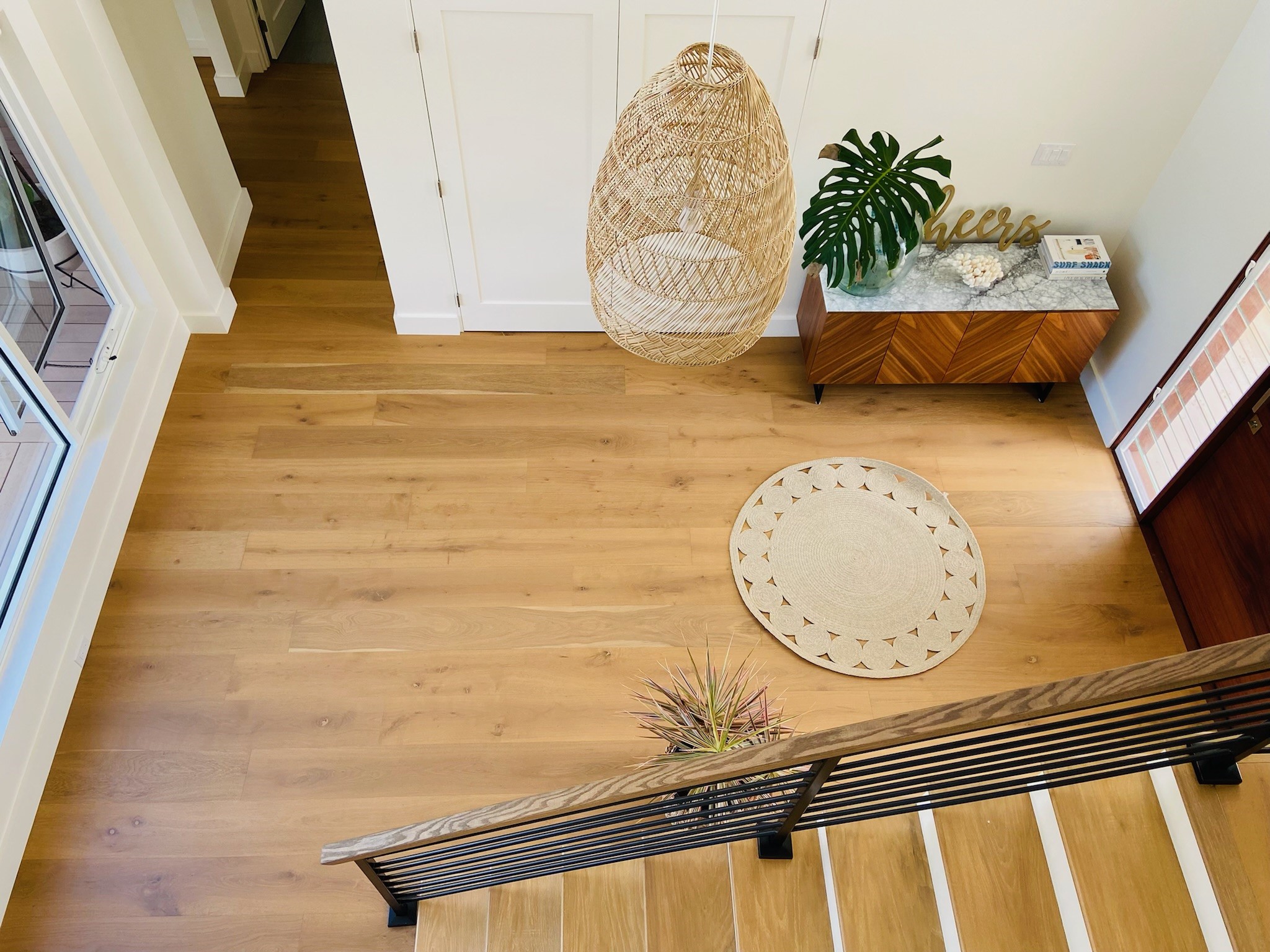
Selecting the ideal wood flooring for a home renovation involves navigating a massive sea of samples, design trends, and technical metrics. One of the most critical structural decisions a homeowner faces is choosing between solid hardwood and engineered hardwood. Both options offer incredible beauty, timeless character, and excellent return on investment, but they behave very differently under the surface. Understanding the unique engineering behind these two choices ensures the final flooring selection aligns perfectly with the household's lifestyle and structural requirements.
The Lasting Value of Traditional Solid Hardwood Flooring
Solid hardwood is exactly what the name implies—each individual plank is cut from a single, continuous piece of genuine timber. This material has been the gold standard of premium home construction for centuries due to its incredible longevity. Because the plank is solid wood from top to bottom, it possesses a thick wear layer that can be sanded down and refinished multiple times over its lifespan. This means a solid wood floor can easily last for a century, allowing future generations to change the stain color to match evolving design trends.
However, solid wood planks are highly sensitive to their environment. Because wood is a natural, fibrous material, it reacts directly to atmospheric moisture changes. If exposed to high humidity or subfloor dampness, solid planks absorb water, causing them to expand, cup, or buckle. For this reason, solid hardwood installation is best reserved for above-ground rooms with strictly regulated moisture conditions.
The Structural Innovation of Engineered Hardwood Planks
Engineered hardwood is a brilliant modern solution designed specifically to overcome the environmental limitations of solid wood. An engineered plank consists of a genuine hardwood veneer top layer securely bonded over multiple cross-ply layers of high-density fiberboard or core wood. This cross-directional construction counteracts the natural tendency of raw timber to expand and contract when temperatures and humidity levels fluctuate.
Thanks to this superior structural stability, engineered hardwood is highly versatile. It can be safely installed in basements, over concrete slabs, or in homes equipped with radiant heating systems where solid wood might fail. It delivers the exact same visual warmth, premium texture, and high-end appeal as solid wood while offering enhanced resistance to environmental shifts.
Selecting the Right Brands and Finishes
Whether a project requires solid or engineered planks, choosing a reputable manufacturer is crucial to securing a strong warranty and a highly resilient wear layer. Top industry brands like Bruce, Hartco, Mullican, LifeCore, Palmetto Road, and Somerset offer hundreds of prefinished design options. These factory-applied finishes feature advanced, UV-cured protective layers that stand up beautifully to scratches, pet claws, and heavy family foot traffic.
Leaning on experienced local specialists makes navigating these product options completely smooth and stress-free. Homeowners are invited to learn about the company’s core values, transparent quoting process, and passion for elevating the customer experience by visiting the dedicated About Us page.
No matter which wood type fits the property's design, keeping indoor humidity levels balanced between 30% and 50% will preserve the wood's structural integrity for years to come. Ready to upgrade the living space and replace old, worn-out carpets with premium wood surfaces? Check out the regional Service Areas page to schedule a convenient consultation and bring a fully stocked mobile showroom straight to the driveway.